Digital currencies, especially Bitcoin, are increasing in valuation. Speculations in the causes of the recent bull-run on Bitcoin should be examined closer. Here
[Read more]
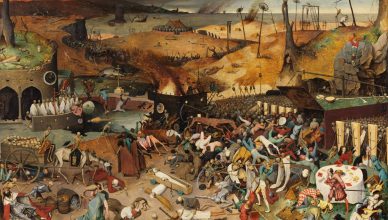
The Triumph of Death by Pieter Bruegel the Elder painted c. 1562 Historically pandemics have killed millions, devasted societies and changed the course
[Read more]
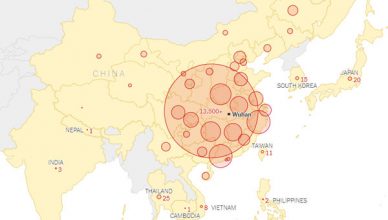
The narrowing gap between modeled and virologically confirmed cases is important for several reasons. First, it shows that the massive public health effort
[Read more]
U.S. presidential elections are scheduled on the Tuesday after the first Monday in November. Following that schedule, the 2024 elections are to be
[Read more]
This insurance plan against a remote contingency was spelled out in a 2000 article published by the prestigious Chinese Society for Strategy and
[Read more]
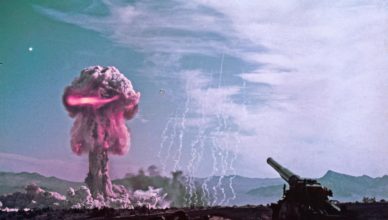
I would say that our damage-limiting, counterforce-decapitating, highly accurate, fast-launched weapons—air-launched weapons and ICBMs and increasingly accurate sub-launched missiles, but particularly the ICBMs,
[Read more]