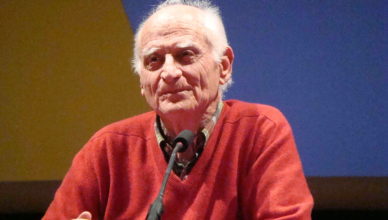
Serres entered France’s naval academy, the École Navale, in 1949 and the École Normale Supérieure (“rue d’Ulm”) in 1952. He aggregated in 1955,
[Read more]
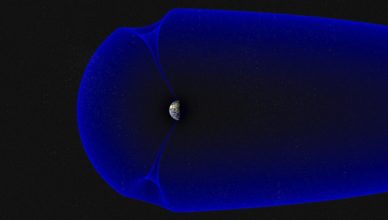
Update: To image leaky atmosphere, NASA rocket team heads north — ScienceDaily In the future, the Earth System could potentially follow many trajectories (12,
[Read more]
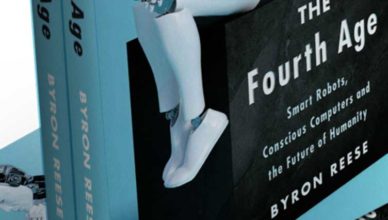
Much of the debate over how artificial intelligence (AI) will affect geopolitics focuses on the emerging arms race between Washington and Beijing, as
[Read more]
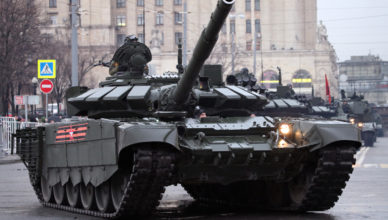
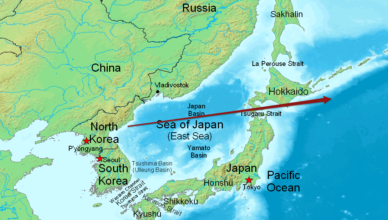
Sanctions against North Korea, have been imposed by various countries and international bodies since 2006. The embargo is largely concerned with North Korea’s
[Read more]
The WannaCry ransomware set a historical milestone in the evolution of cyber threats. The incident illustrates the vulnerable interaction of the digital domain
[Read more]
Let’s go though this one last time; Brexit, Trump, Russian psy-ops and the rise of far-right nationalism is the result of leftist complecancy.
[Read more]